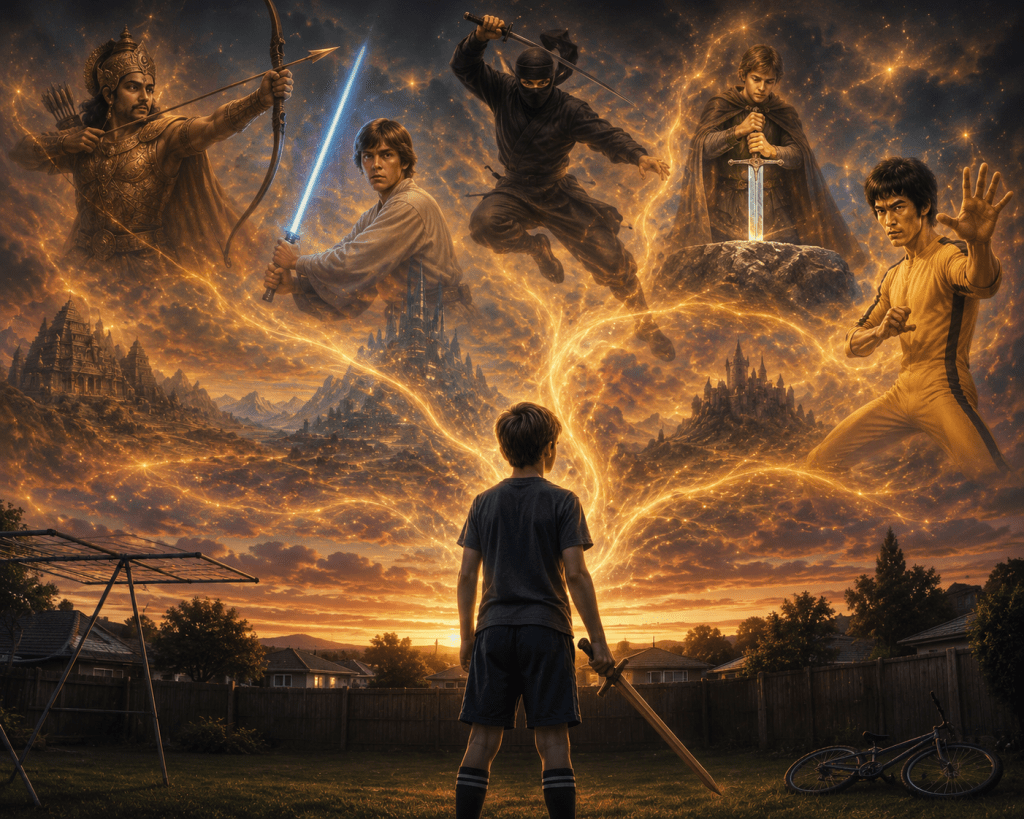
At the same time as I was diving into esoteric books and developing a sharp cynicism toward organised religion, another powerful current was shaping my young mind — the world of myth, heroes, and epic adventure as depicted through movies and books.
Conversations with My Father
My father and I talked constantly. At the kitchen table, in the car, or late at night, our conversations revolved around spirituality, magic, esoteric ideas, and my dreams. These discussions were some of the most important parts of my education.
Martial Arts and Ninja Obsession
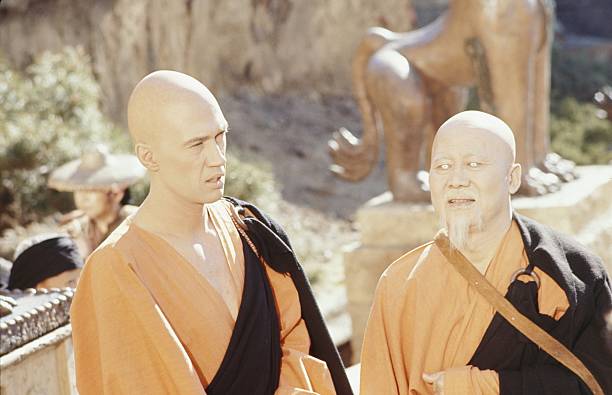
He introduced me to Bruce Lee. The first film we watched together was Fist of Fury, and from that moment I was hooked. This sparked a deep obsession with martial arts and action movies. I watched most of the Bruce Lee movies. Kung Fu was represented through his movies, as well as the famous TV show Kung Fu, starring David Carradine as the Shaolin monk wandering across the Wild West of America. This was my first exposure to the existence of Shaolin, as an order of Buddhist warrior monks. The mixture of martial arts with spiritual teachings had a profound impact on me, and many years later I ended up studying Shaolin for real.
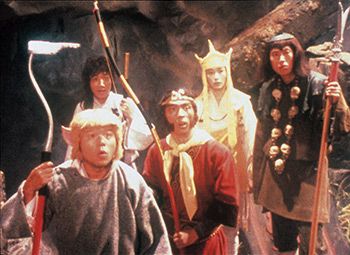
The TV show Monkey Magic was on each evening, telling the famous Chinese story Journey to the West, where the mischievous Monkey King escorts the Buddhist monk Tripitaka to India in search of Buddhist scriptures. Each episode had some tidbits of spiritual wisdom combined with a lot of martial arts action, as Monkey and his companions fought against demons and other opponents trying to stop their mission succeeding. This was incredibly popular with kids at the time, and many of us pretended we were Monkey in the playground at school.
During this time there was a ninja craze happening, and I loved watching the many ninja movies that came out. I must have rented every ninja movie available at the video store.
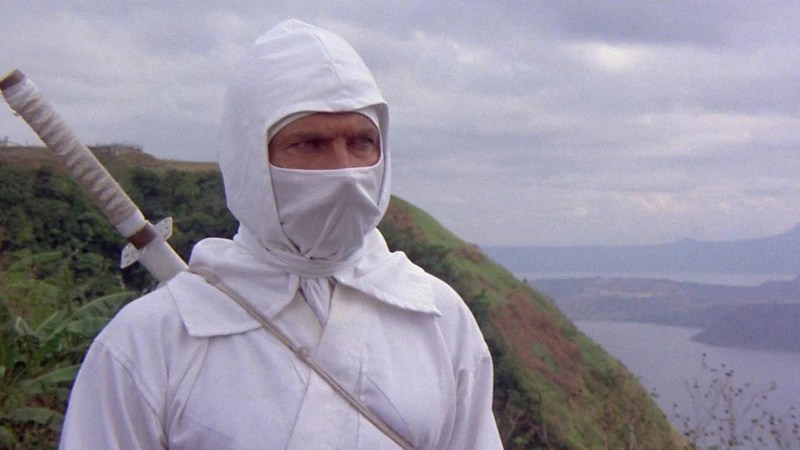
I still remember the opening scene of Enter the Ninja vividly — a white-clad ninja fleeing through the forest, pursued by teams of red and blue assassins. American Ninja was another favourite. Chuck Norris movies such as The Octagon also had themes of ninjas, as well as the James Bond movie You Only Live Twice. There was a mystique to them and the depiction of them having secret magical techniques was cultivated in these movies. Again, as with Shaolin, my interest in ninjas at this time was was prophetic, and later in my life I journeyed to Japan to study Ninjutsu at the home dojo of one of the grandmasters.
Other TV shows in the 80s fed this obsession with martial arts and heroes perfectly. Shows like MacGyver, Knight Rider, and The A-Team and Tales of the Golden Monkey filled the airwaves with clever, resourceful heroes overcoming impossible odds.
Epic Movies and Mythic Tales
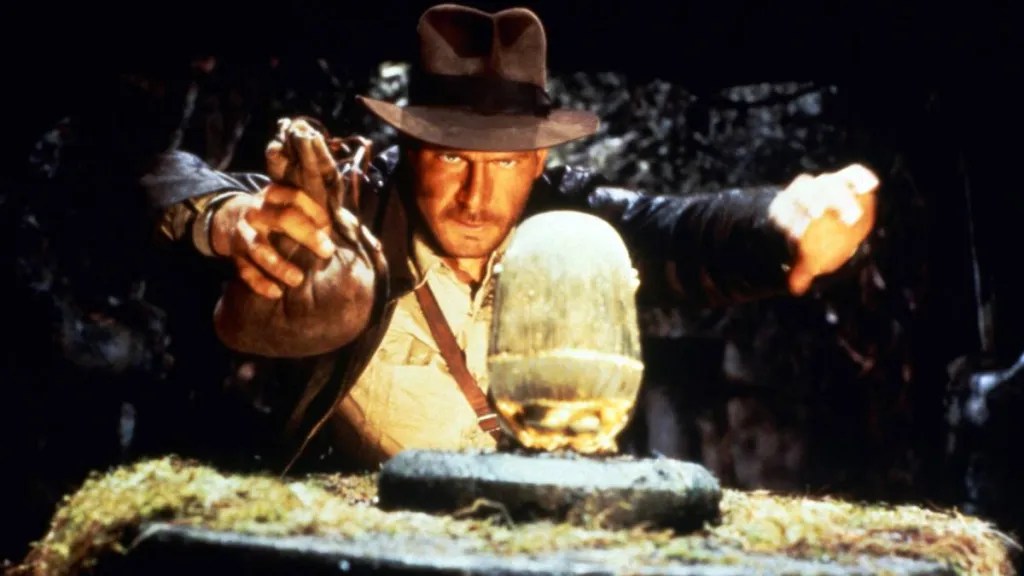
My favourite movie during this time was Raiders of the Lost Ark. It was the perfect mix of nonchalant hero figure, archaeology, high adventure and romance. I managed to get a copy of it when it played on TV one night, and watched it many times afterwards.
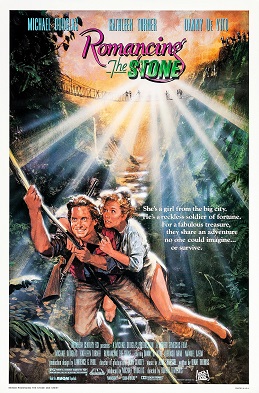
Speaking of romance, the movie Romancing the Stone was another movie that I loved. The perfect mix of adventure and romance, when an romance novelist Joan Wilder gets involuntarily hooked up with the hero figure Jack, played by Michael Douglas. Together they follow a treasure map that leads to a huge priceless emerald, and along the way fall in love.
Other notable movies that I loved were The Dark Crystal, The Neverending Story,The Karate Kid, The Goonies and Clash of the Titans. All of these featured young adults or teenagers going on a heroic quest or journey, overcoming challenges and emerging victorious.
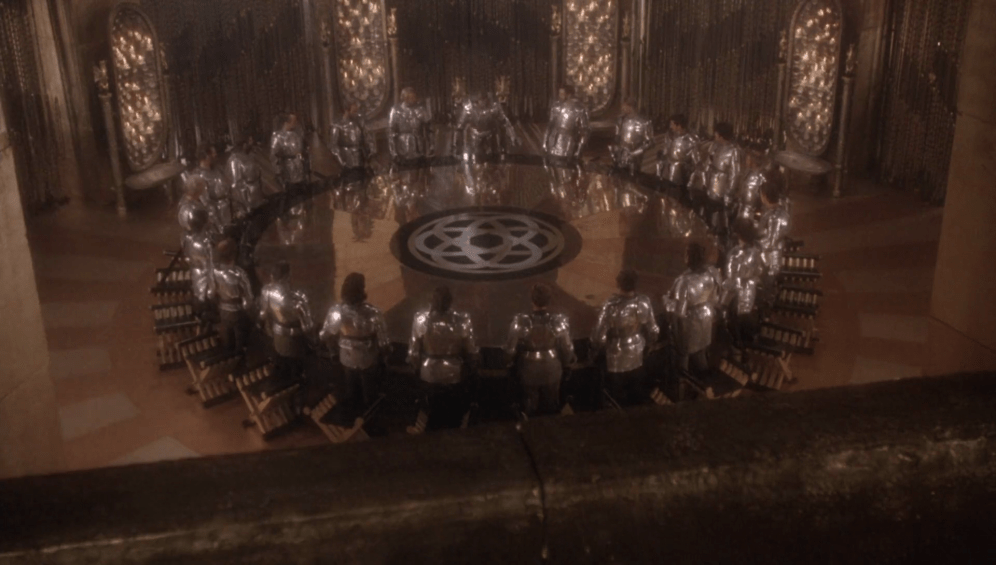
One film that left a particularly strong impression was John Boorman’s Excalibur. The stunning visuals of King Arthur and the Knights of the Round Table and the powerful presence of Merlin introduced me to the Arthurian legends in a visceral way. there was something magical about the knights in their shiny armour meeting at Camelot. There is here again the theme of a group of warrior/knights united in a common spiritual bond.
On a lighter note, we had a copy of Monty Python’s Holy Grail, which was often watched. Their irreverant depiction of King Arthur and his knights I found hilarious. Arthur’s fight with The Black Knight, The Knights Who Say Ni! and other scenes from the movie etched themselves into my psyche.
Another favourite we watched many times was The Circle of Iron, based on the story written by Bruce Lee. It followed a young warrior named Cord on a quest for the Book of All Knowledge. On the way he faces numerous challenges against different foes, each played by David Carradine, who also plays Cord’s spiritual guide. The ending — where the pages of the book turn out to be mirrors — carried a profound message: the greatest wisdom lies within.
Knights in Space
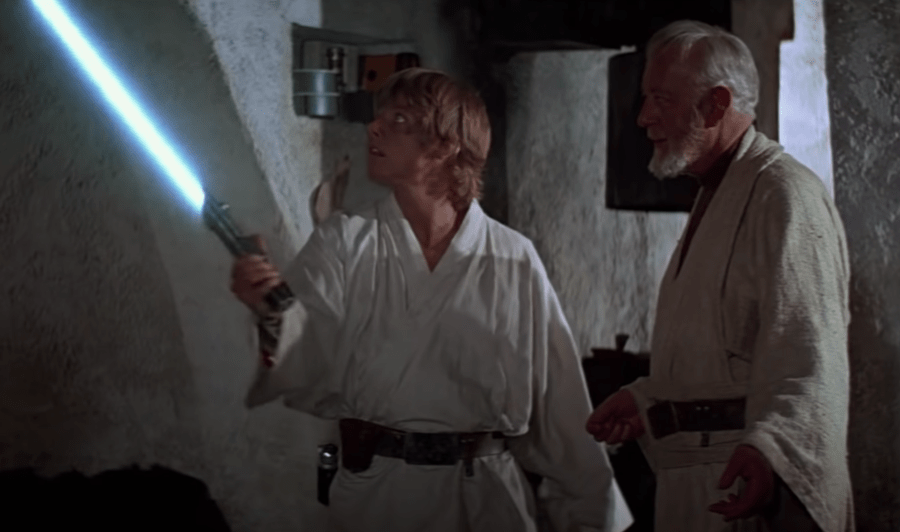
Legendary sci-fi movies depicting intergalactic heroes were big during this era as well. The most popular one was Star Wars. I don’t think people today understand what an influence the Star Wars movies had on kids. We were obsessed with it. The story of Luke Skywalker becoming a Jedi Knight, rescuing a princess and destroying the Deathstar wove classic heroic themes into a cool sci-fi context. Half of my toys would have been Star Wars figurines and models of the spaceships. My favourite of course was the Millenium Falcon.
The Jedi Knights were portrayed as enlightened spiritual warriors who dedicated their lives to mastering the Force — a mystical, all-pervading energy field that connected all living beings — embodying ideals of wisdom, discipline, selflessness, and the constant struggle to remain on the path of the light.
A TV show which had a similar theme of a futuristic order of knights was Battlestar Galactica. Instead of riding horses these knights piloted Vipers, the fighter spaceships which fought to defend the base Battlestar and a group of surviving humans from the Cylons, an evil robotic/AI race that sought to exterminate humanity. This show blended space opera with strong spiritual and religious undertones, drawing heavily from Mormon theology and ancient mythology. It portrayed a polytheistic universe centered around the Lords of Kobol, with recurring themes of destiny, divine providence, the eternal struggle between good and evil, and the idea that humanity was part of a larger cosmic plan.
The sense of brotherhood between these Viper pilots was well depicted, with Captain Apollo and Lieutenant Starbuck stealing the show.
Books
My father also got me into the Dune books by Frank Herbert. We rented the David Lynch movie, and some of its epic scenes stayed with me for years. Again this series had the ingredients of a young hero figure Paul Atreidies who trains in martial arts with a mentor figure and ends up joining and leading a hidden army of Fremen warriors in their holy crusade to overthrow the Harkonnen dictators who had been exploiting their planet. This book is full of spiritual and religious themes, and later when I was at Sydney University I wrote an essay on these elements.
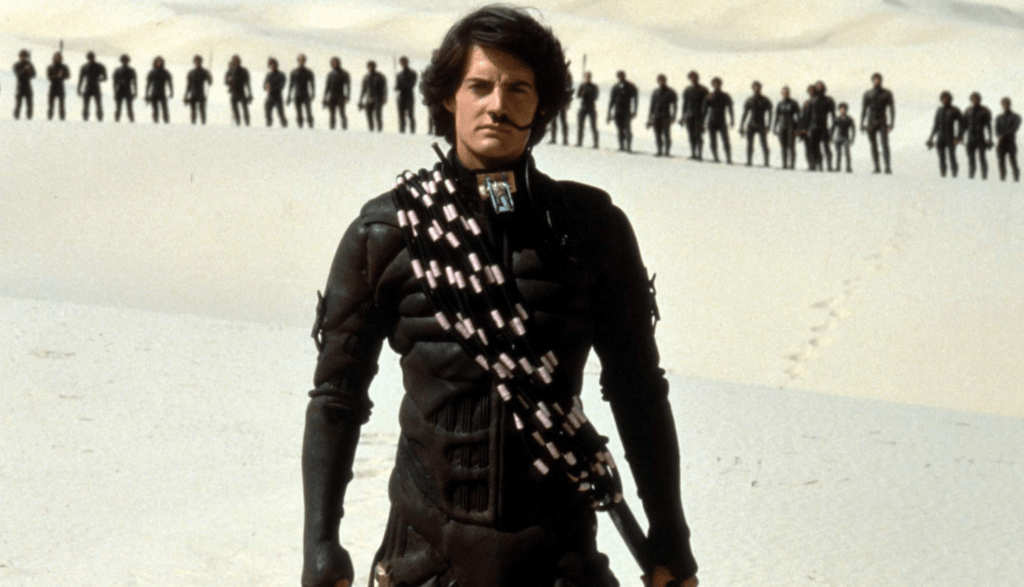
While reading Dune I had one of my first powerful “swoons” — a climactic heroic moment moved me to the point that it induced a cataplectic attack and I lay there in a physically paralysed state for up to a minute. Then I’d just continue reading. Since then, this has been a recurring experience for me: stories of heroes overcoming immense challenges and doing what is right often trigger something deep inside me. It also happens with such scenes in movies and anime.
I also discovered the Fighting Fantasy gamebooks by Steve Jackson and Ian Livingstone. These were “choose your own adventure” style books where you played the hero, making choices at the end of each section that would direct you to different pages. What made them special was that they incorporated simple role-playing mechanics — you had to roll dice to determine the outcome of battles, tests of luck, and other challenges.
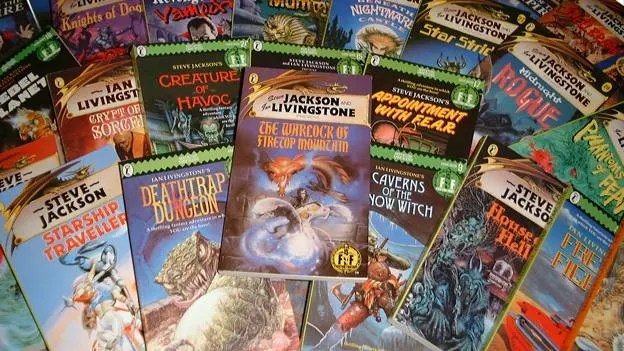
I became quite obsessed with the series for a while. Books like The Warlock of Firetop Mountain, City of Thieves, and Deathtrap Dungeon provided hours of immersive solo adventures. They perfectly blended the heroic fantasy I loved with a sense of danger and unpredictability.
Around this time I also collected various martial arts magazines such as Black Belt. I used to look at all of the ads for different weapons such as ninja swords and throwing stars with great envy, as they could only be ordered by those in the USA. I made my own backpack full of improvised ninja type items including my rambo knife. This was a hunting knife popular at this time. The handle would unscrew and inside it was a collection of different survival items such as matches and a wire saw.

With this and my backpack I would go exploring in the nearby national park on solo expeditions that took me further into the bush than I had been before. Around this time I had stopped playing with the neighbour kids as much, and felt like they were only interested in playing with me if they were bored.
My creative writing tasks at school were filled with soldiers, ninjas and other hero figures fighting against various enemies. I think some teachers may have thought it was a bit too much, but I was never discouraged from this form of writing. In such stories I was drawing from the wellspring of powerful mythical warriors and stories I had been accumulating in my mind.
The Power of Myth
A significant influence during this period came when my parents and I discovered the interviews between Bill Moyers and Joseph Campbell — The Power of Myth. We watched those VHS tapes over and over.
Campbell’s explanation of The Hero with a Thousand Faces — how the same basic hero’s journey appears in myths across all cultures — fascinated both of us. He spoke about the call to adventure, facing trials, meeting mentors, descending into the underworld, and returning transformed with new wisdom.
As mentioned in these interviews, Campbell had many discussions with George Lucas, the director of the Star Wars movies. The story of Luke Skywalker was deliberately moulded in a way that followed the heroes journey as described by Campbell. This is probably why it had such a profound impact on myself and the world. The idea of The Force being a spiritual presence that could be felt and harnessed by a Jedi Knight was powerful and every kid pretended to be one in the playground.
A key part of the heroes journey according to Campbell is the role of the mentor figure. This is usually someone who has walked the path themselves, and who arrives to guide the hero to cross from the ordinary world into the world of adventure.
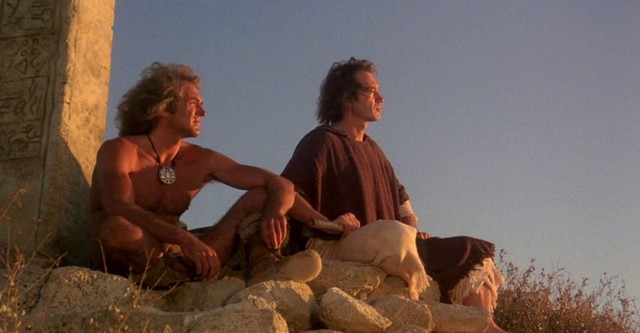
Movies and books around this time were full of such figures such as Gandalf, Merlin, Obi-One Kenobi, Krishna, Cord’s guide in Circle of Iron, Mr. Miyagi and many others. I felt like it had some application in my own life, having a guru of my own. However Gurumayi always felt so removed and distant. The desire for a one to one connection where I could actually talk with the master was something I probably had building in the background during this period. Later I was to find a real life martial arts/ spiritual master of this type, which I will talk about in future posts.
The Mahabharata
A very special viewing experience for my family was the Peter Brooks adaptation of the Hindu epic The Mahabharata. This extraordinary three-day miniseries was shown on television with skilled English-speaking actors. My parents and I made sure to record it and watched it many times afterwards.
The series brought to life the great epic with unforgettable characters — particularly the warrior Arjuna, torn between duty and despair on the battlefield, and Yudhishthira, the wise leader of the Pandavas, whose life revolved around the concept of dharma. My father’s favourite character was Yudhishthira. He often spoke about dharma as one’s sacred duty — doing what is right no matter how difficult. In a world full of conflicting spiritual philosophies, following one’s dharma became a central value for him, something he has lived by his entire life.
The depiction of Arjuna as the great warrior guided by Krishna also resonated with me. It added another powerful layer to the theme of the spiritual warrior that was quietly forming inside me.
Seeds of the Spiritual Warrior
My strong attraction to spiritual warrior traditions — such as martial arts, Taoist cultivation, and Western alchemical paths that emphasise inner power and discipline — is deeply reflected in my natal chart. With my Sun conjunct Pluto in Libra in the 11th House, and Scorpio Rising (making Pluto my chart ruler), I am wired to seek transformation through intensity, mastery, and power. The 11th House placement draws me toward groups and communities that offer a path of disciplined empowerment, while the Sun-Pluto combination gives me a soul-level drive to become a “spiritual warrior” — someone who confronts inner darkness, forges personal power, and undergoes cycles of death and rebirth. This placement explains why I have repeatedly been pulled toward practices that combine spiritual development with martial discipline and inner alchemy.
Looking back, the countless hero-themed movies, TV shows, and books I absorbed as a child — from Star Wars, The Mahabharata, and Excalibur to Bruce Lee films, Dune, and The Circle of Iron — had a profound effect on me at a deep subconscious level. These stories provided powerful archetypal role models and quietly programmed my developing psyche with the idea of the spiritual warrior: the lone hero who faces overwhelming trials, guided by mentors, and ultimately seeks inner mastery. Combined with my frequent experiences in dream states due to narcolepsy, these mythic narratives became deeply embedded in my unconscious. They instilled in me a strong, almost romantic longing to become a hero myself — not in the ordinary sense, but as a spiritual warrior on a meaningful quest. This unconscious imprint later manifested as a repeated drive to join spiritual warrior-type groups and traditions, from martial arts schools to Taoist lineages and Western alchemical paths, always searching for that heroic path of discipline, transformation, and empowerment.




Leave a Reply